


Choosing between a gas water heater and an electric water heater can feel overwhelming – especially if you have to make an emergency replacement decision. We can help you understand how each system works, their key advantages and drawbacks, and what factors matter most when making your decision.
PLUMBING
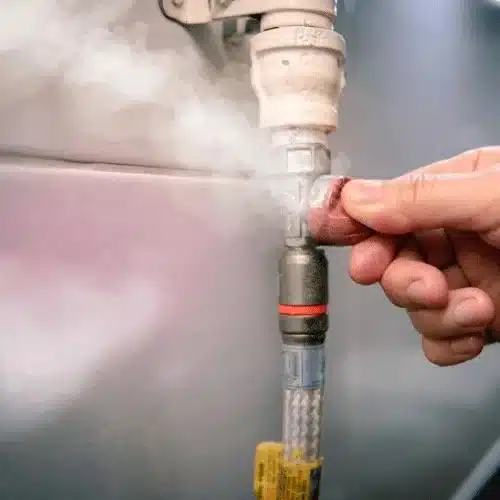
How Gas Water Heaters Work
Gas water heaters use natural gas or propane to heat water through a burner located at the bottom of the tank. When you turn on a hot water tap, cold water enters the tank and gets heated by the gas flame. The heated water rises to the top of the tank, where it’s ready for use throughout your home.
The Pros of Gas Water Heaters:
Faster heating: Gas units heat water approximately twice as fast as electric models, meaning shorter wait times for hot water
Lower operating costs: Natural gas typically costs less than electricity, resulting in lower monthly energy bills
Works during power outages: Many gas models with pilot lights continue functioning even when the electricity goes out
The Cons of Gas Water Heaters:
Higher installation costs: Installing a gas water heater often requires gas line connections and proper ventilation, increasing upfront expenses
Safety considerations: Gas appliances require proper ventilation to prevent carbon monoxide buildup and gas leaks
Professional installation required: Gas line work must be handled by certified professionals for safety reasons
How Electric Water Heaters Work
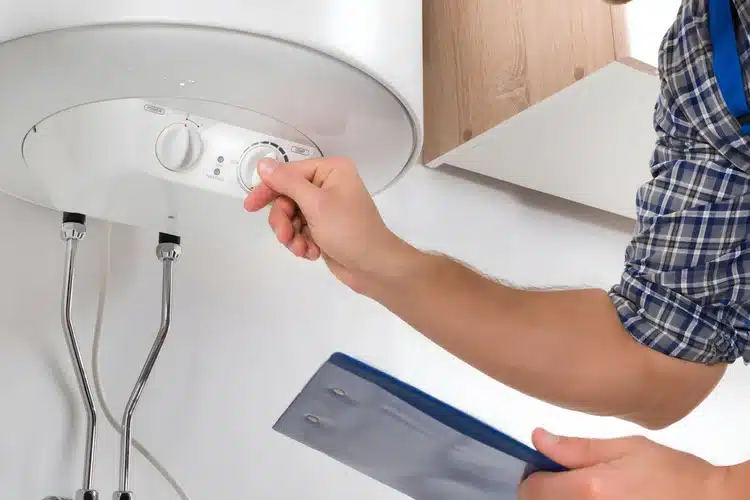
Electric water heaters use heating elements inside the tank to warm the water. Most conventional electric water heaters have two heating elements; one near the top and one near the bottom of the tank. These elements heat the water gradually, maintaining the set temperature until you need hot water.
The Pros of Electric Water Heaters:
Lower upfront costs: Electric units typically cost less to purchase and install than gas models
Safer operation: No risk of gas leaks or carbon monoxide concerns
Easier installation: If electrical connections are already in place, installation is straightforward
More efficient heat transfer: Nearly 100% of the electricity used goes toward heating water
The Cons of Electric Water Heaters:
Slower heating: Electric units take longer to heat water, which can be frustrating during peak usage times
Higher energy bills: Electricity rates are often higher than natural gas, leading to increased monthly water heating costs
No power, no hot water: Electric units won’t function during power outages without a backup generator
What You Should Consider
Your Unit Usage
Your household’s hot water consumption plays a major role in determining which system works best. Large families who use multiple showers, dishwashers, and washing machines simultaneously may benefit from a gas water heater’s faster recovery time. Smaller households with moderate usage might find an electric water heater perfectly adequate.
The Energy Costs In Your Area
Compare local natural gas and electricity rates to determine long-term operating costs. Even though gas water heaters typically cost more upfront, lower natural gas prices in many areas can lead to significant savings on your monthly water bill over time.
The Installation Requirements And Costs
Consider your home’s existing infrastructure. If you already have gas lines and proper ventilation, a gas water heater installation might be more affordable. However, if your home only has electrical connections and adding gas lines would be expensive, an electric unit could be the more practical choice.
Making The Right Choice For Your Home
When choosing between gas and electric water heaters, consider your priorities. If faster heating and lower operating costs matter most, and you have existing gas infrastructure, a gas water heater might be your best option. If you prefer lower upfront costs, easier installation, and don’t mind slightly slower heating, an electric water heater could be the right fit.
Let Blue Note Pros Plumbing Help You Choose
The Blue Note Pros Plumbing crew understands that selecting the right water heater involves more than just comparing features. Our experienced team evaluates your home’s specific needs, existing infrastructure, and your budget to recommend the best solution. Whether you’re interested in a gas water heater, electric water heater, or even exploring tankless options, we provide transparent pricing and professional installation you can trust.
With 60+ years of combined experience serving Shreveport, Bossier City, and surrounding North Louisiana communities, we’ve helped countless homeowners make informed decisions about their water heating systems. From initial consultation to installation and ongoing maintenance, we’re here to ensure you have reliable hot water for years to come.
Ready to upgrade your water heater? Contact Blue Note Pros Plumbing today for expert advice, upfront pricing, and professional installation services. We’ll help you find the perfect water heating solution for your home and budget.
